Tag: women private concierge

  • Two Women and One Male Companion: Planning Your Time

    Two Women and One Male Companion: Planning Your Time

    OPUS TOKYO EDITORIAL

    When two women spend time with one OPUS male companion, the atmosphere matters as much as the timetable. This guide focuses on how that shared time can feel comfortable for everyone involved.

    Start with the experience you both imagine

    Perhaps you and your friend are curious about a private, intimate atmosphere, but are unsure what to expect in Japan. You can describe the mood you prefer in ordinary words: relaxed, attentive, conversational or quietly special.

    You do not need to promise any particular activity or make a detailed plan before contacting us. We will clarify the scope of available services and respect the preferences and agreement of everyone taking part.
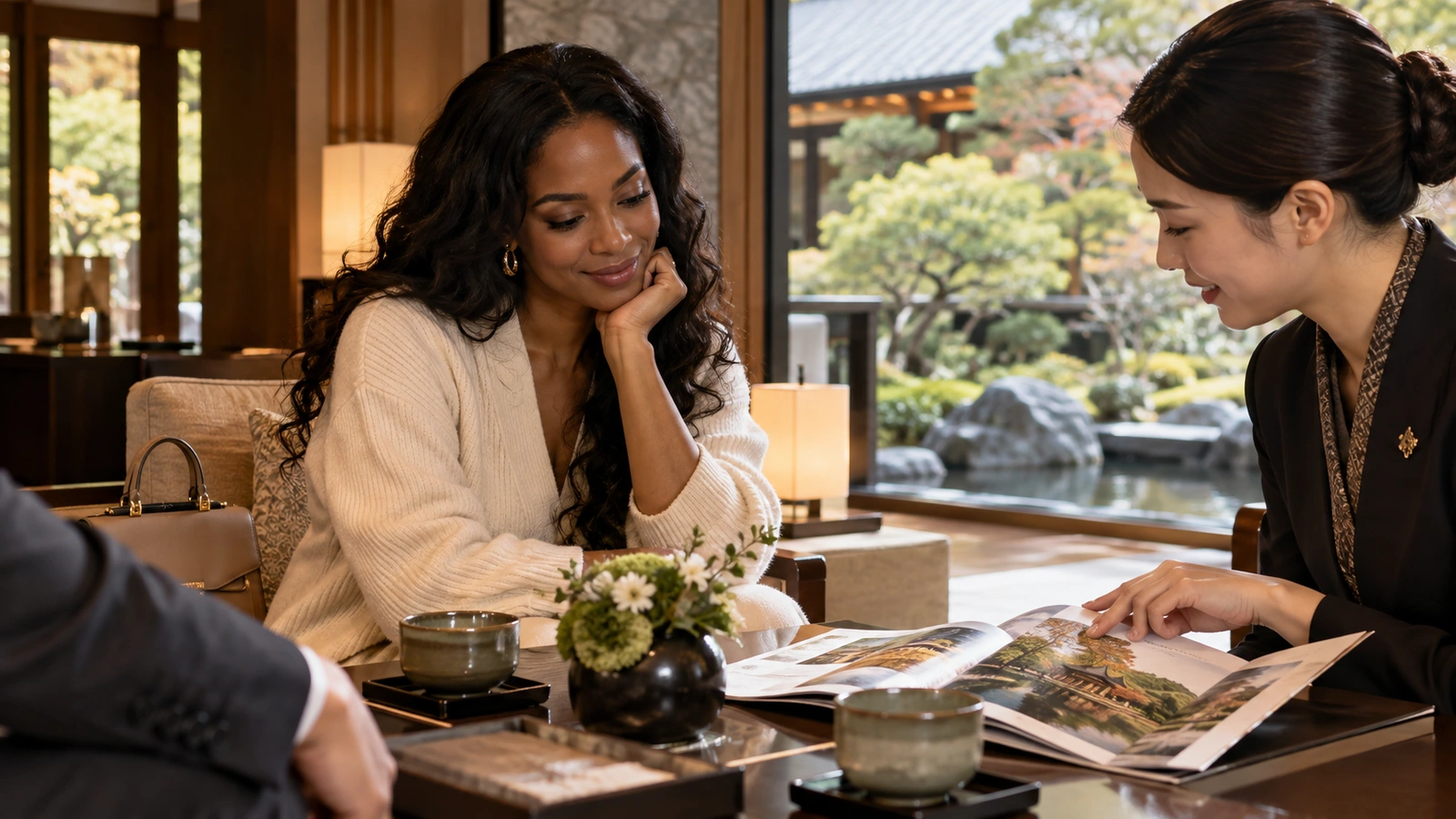
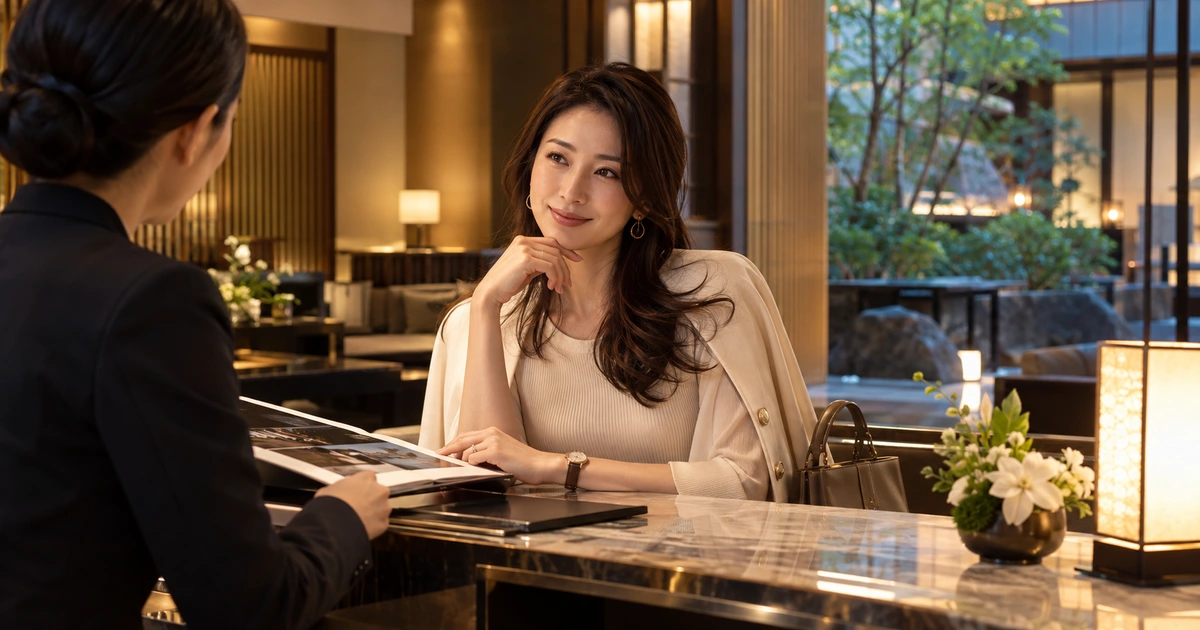
    A woman reviews an illustrated brochure with another person in a quiet hotel lounge with soft seating and garden greenery; a ceramic cup or teapot completes the quiet table setting.

    One companion, three people to consider

    With two female guests and one male companion from OPUS, it helps to agree on the general pace and setting. We will discuss practical arrangements and make clear that no one needs to match another person’s expectations.

    We can also explain the course options and the combined fee for two international female guests. For a full price comparison, see our separate guide dedicated to two-person rates.

    Make room for both guests
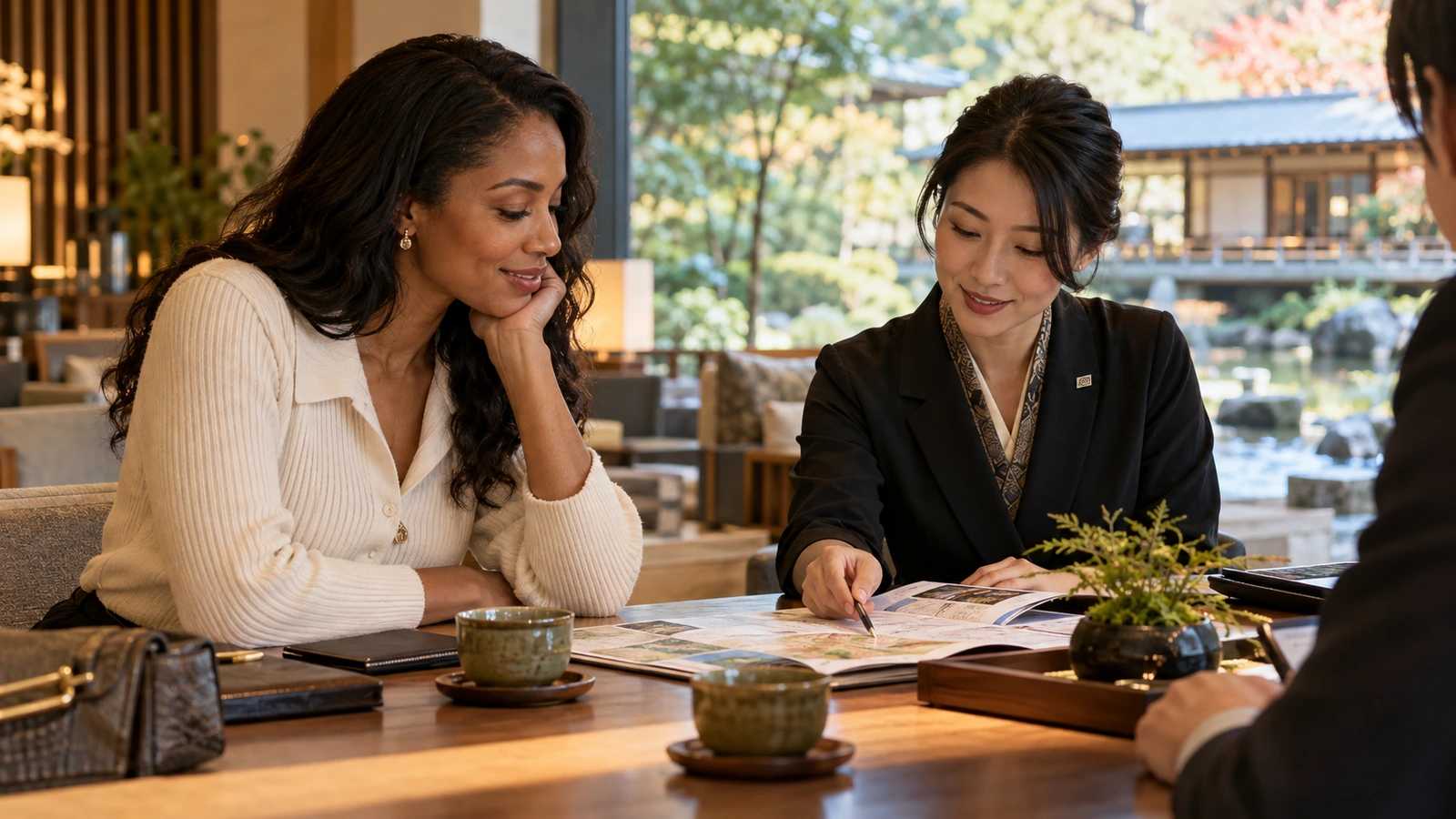
    A woman reviews an illustrated brochure with another person in a quiet hotel lounge with soft seating and garden greenery; fresh blossoms and table lighting fill the background.

    Shared time should not feel like a performance. What matters is that both women genuinely want to be there and can express preferences without pressure.
  • Can Two Female Friends Book OPUS Together?

    Can Two Female Friends Book OPUS Together?

    OPUS TOKYO EDITORIAL

    Traveling with a close friend can make a special moment in Japan feel less unfamiliar. OPUS can discuss an arrangement for two women to spend time with one male companion from our team.

    Can two friends arrange a booking together?

    Yes, two women may inquire together. A simple message such as “We are two friends visiting Tokyo and would like to ask about a joint booking” is enough to begin. You do not need to describe intimate details or arrive with a fully planned itinerary.

    We can explain which dates and locations may be available, how the booking process works, and which details would help us confirm an arrangement. Both women should be interested in sharing this experience. Neither needs to agree merely to please her friend.

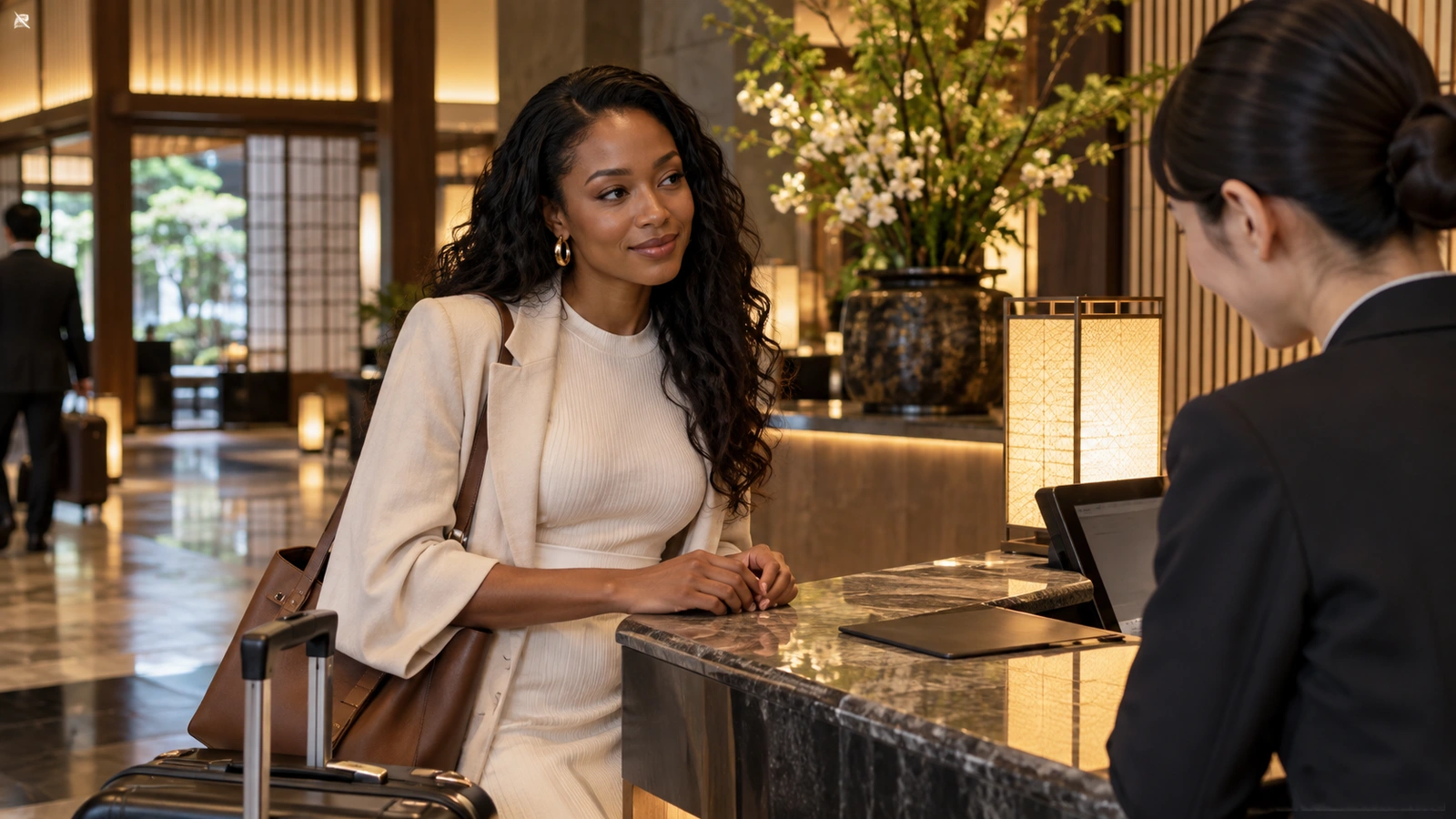
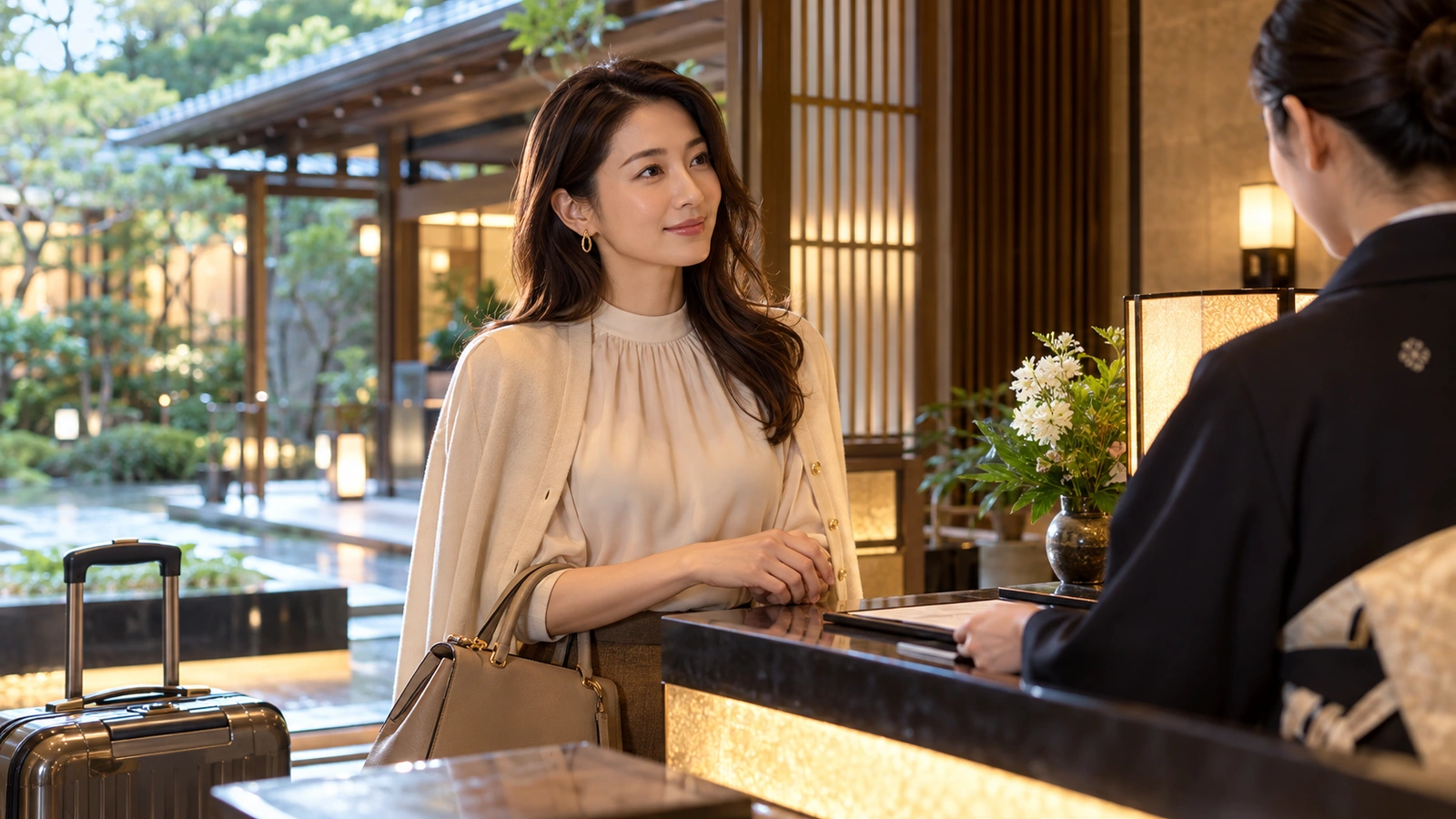
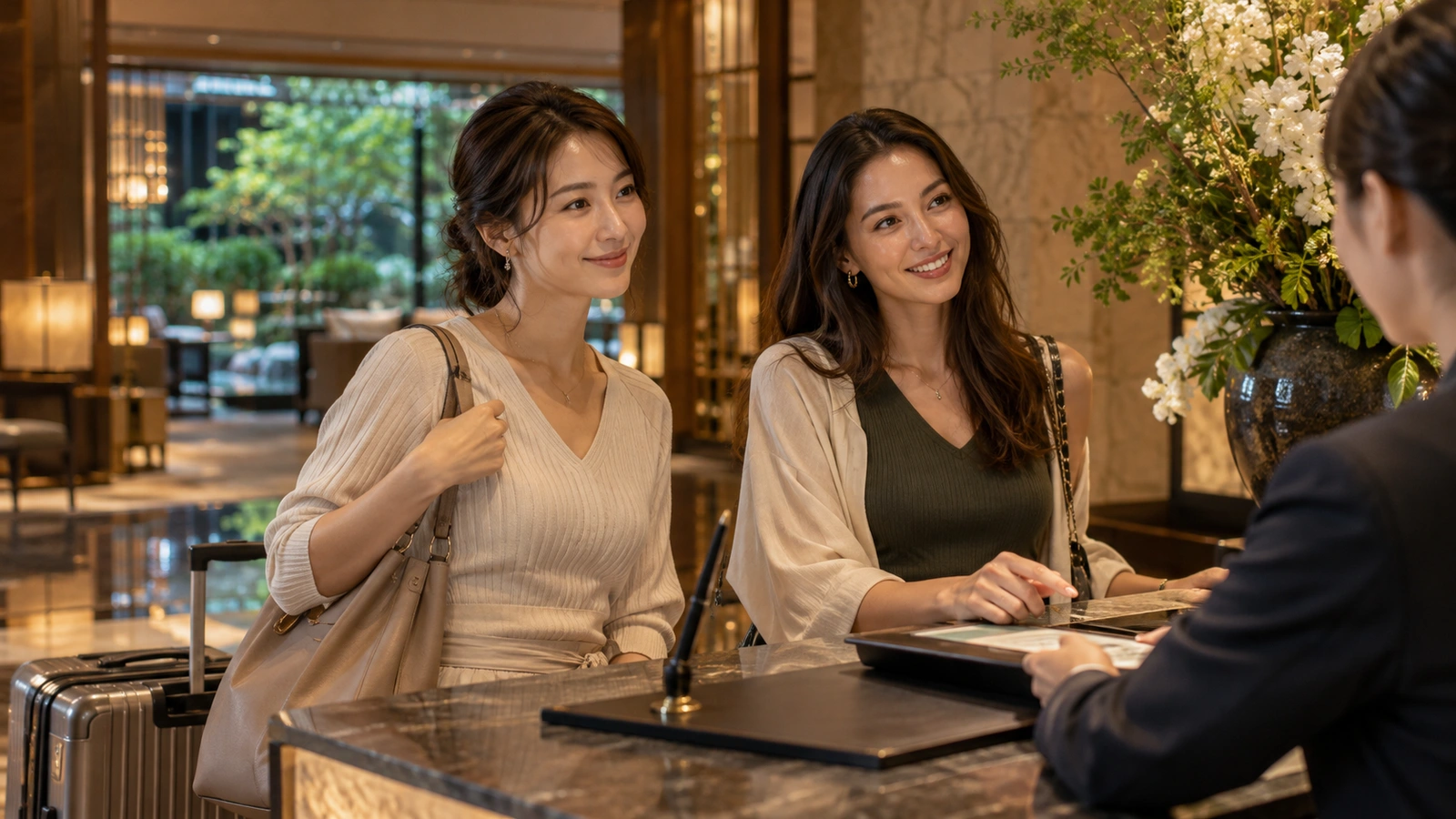
    Two women talk with a hotel receptionist across a counter at a polished hotel reception desk beside a landscaped Japanese courtyard; a wheeled travel case is beside her.

    What about the venue and the price?

    The arrangement is for two female guests and one OPUS male companion. We will explain the applicable combined course price and any additional hotel or travel expenses. A venue also needs to permit the planned number of people; its own rules remain the hotel’s decision.

    A shared choice, made comfortably

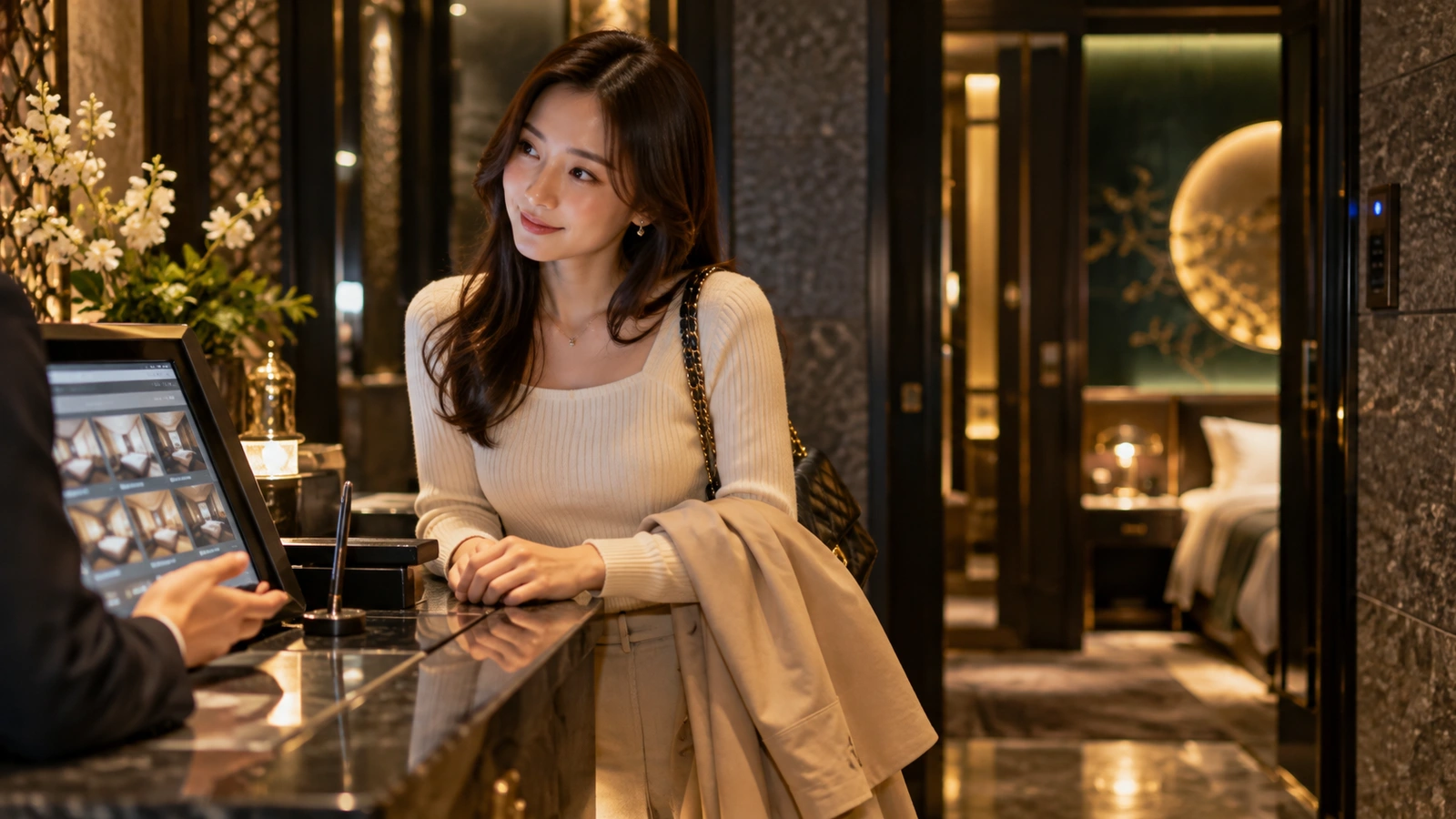
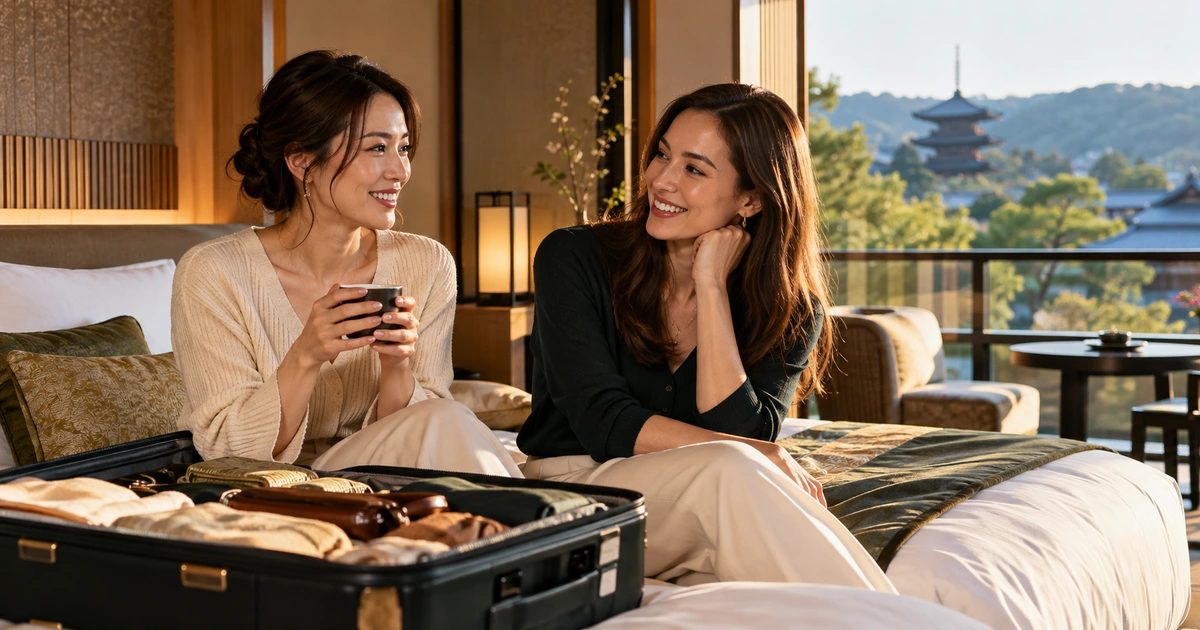
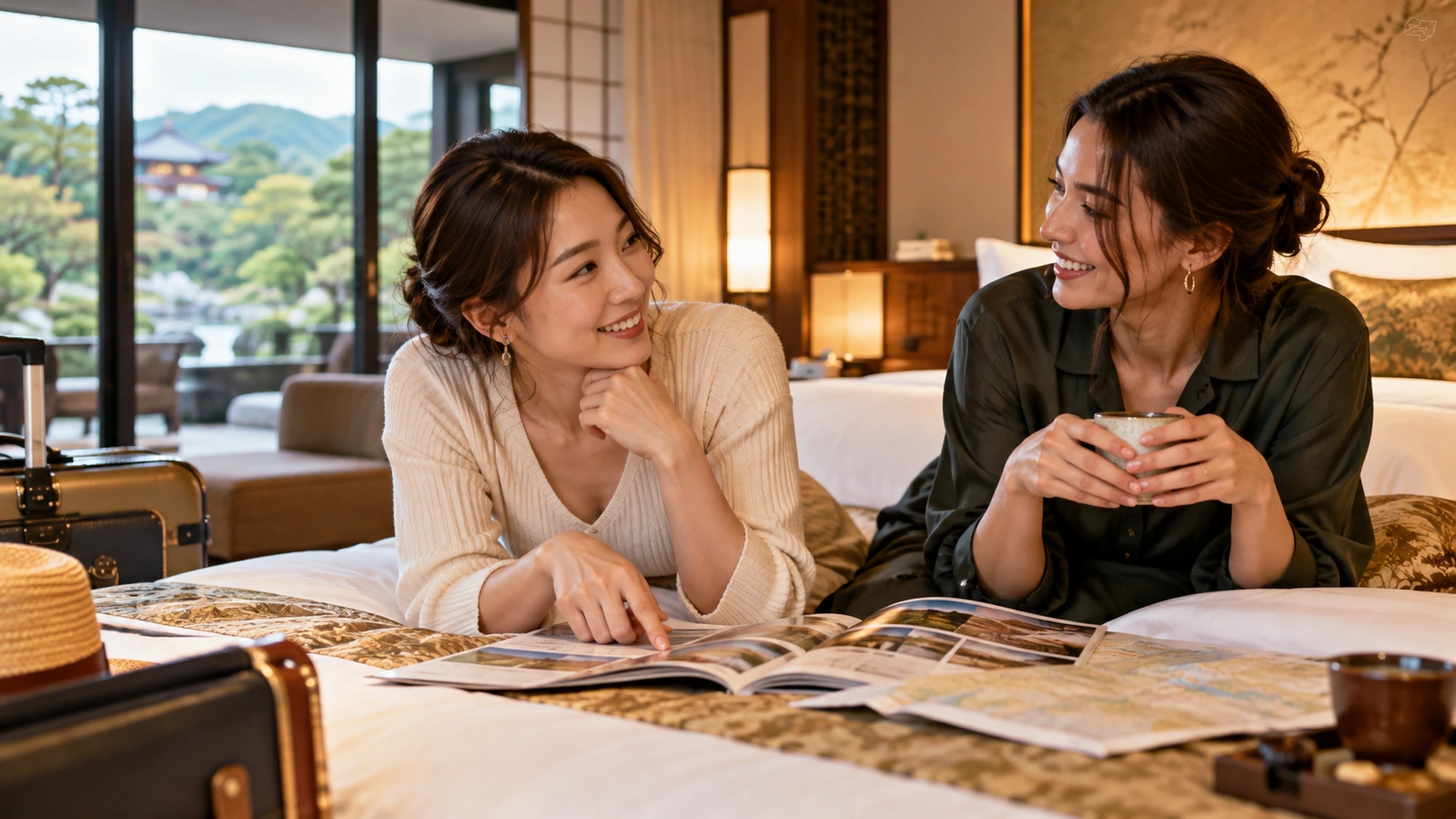
    Two women lean together to compare photographs in an open brochure in a guest suite looking out toward a Japanese pagoda and nearby trees; an open photograph-filled brochure lies on the table.

    You can begin with a question, not a commitment. Our role is to make Japanese procedures easier to understand, so both of you can decide without feeling rushed.


  • Exploring Japanese Love Hotels as a Travel Experience

    Exploring Japanese Love Hotels as a Travel Experience

    OPUS TOKYO EDITORIAL

    Japan’s love hotels sometimes have designs and room systems rarely encountered abroad. Exploring that part of the culture may be an intriguing addition to a trip.

    A different side of Japanese design

    Lighting, interiors and amenities can vary dramatically between rooms. Some provide a sense of escape quite unlike a conventional hotel. Discovering an unusual setting together could become part of your travel memories.

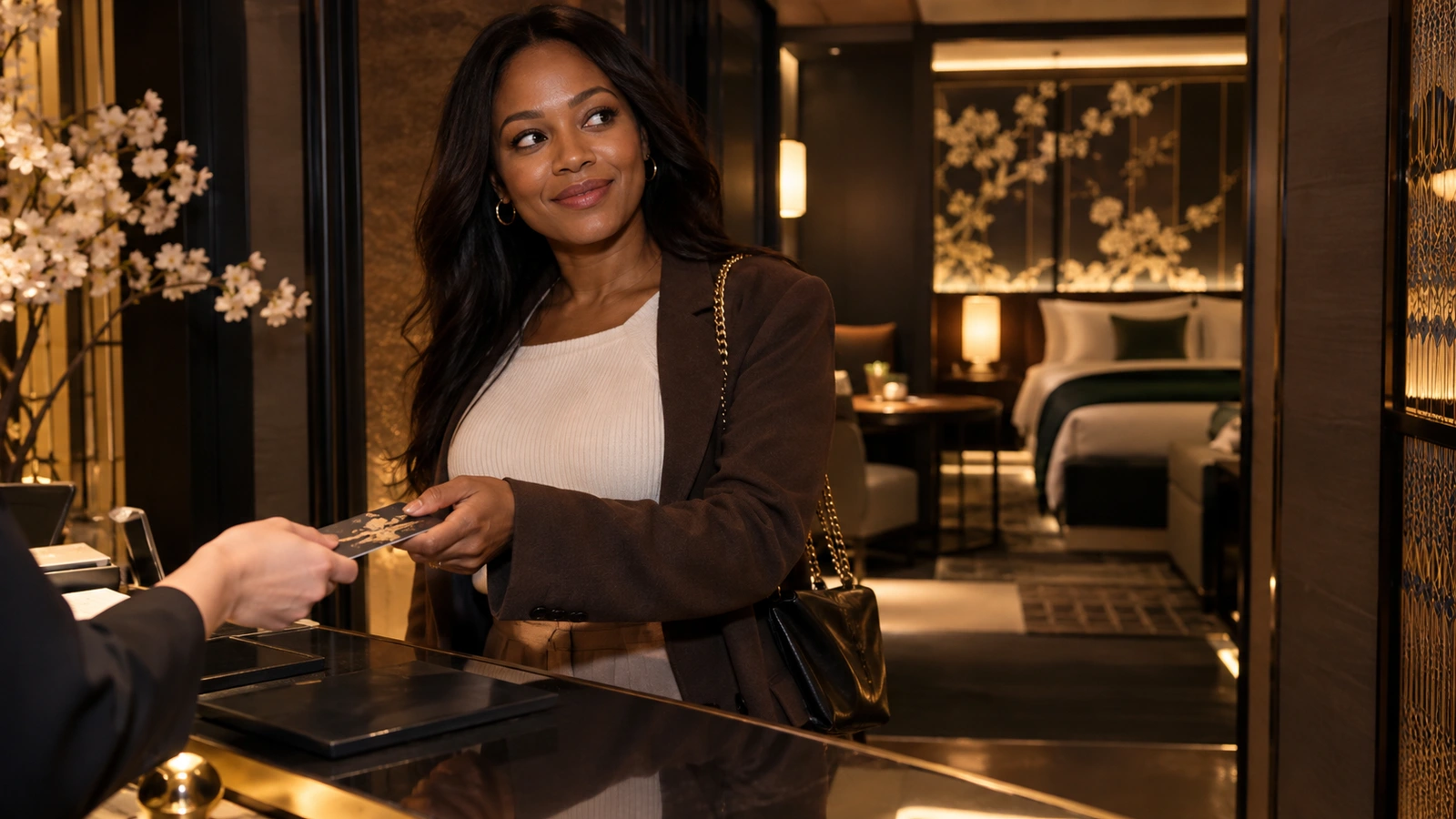
    A woman and a receptionist exchange a small card across the counter in a dark-toned Japanese-themed guestroom with floral wall art and a made bed; a small dark card is visible between their hands. The woman wears a loose robe or wrap for relaxing.

    Not every property has the same facilities or booking procedures. An attractive photograph might show a room that is too far away or unavailable at the time you need. We welcome questions about location and practical considerations so you can make an informed choice.

    Comfort matters more than spectacle

    Some women love playful interiors; others prefer understated elegance and cleanliness. “A charming room” or “somewhere quiet and refined” are both useful descriptions. We cannot guarantee any particular room, but we can help you think through the criteria.

    Hotel prices and property rules may differ from—and be additional to—OPUS course fees. We would rather explain those details clearly than let them spoil your excitement.

    Enjoy Japan in a way that suits you

    Curiosity and the wish to feel comfortable belong together. We are happy to help you explore your options.

    A woman turns back while holding the hand of someone just outside the frame in a dark-toned Japanese-themed guestroom with floral wall art and a made bed; the large bed has crisp white linen and dark accent cushions.


  • Love Hotel Check-In and Check-Out in Japan

    Love Hotel Check-In and Check-Out in Japan

    OPUS TOKYO EDITORIAL

    Where is reception? When do you pay? Japan’s love hotels can be unfamiliar. Here is an introduction to some common arrangements.

    When you arrive

    Some properties use a conventional desk; others let guests choose a room on a screen. A sign reading kyūkei often means a short room stay, while shukuhaku generally means overnight accommodation. The exact hours and length of stay vary from hotel to hotel.

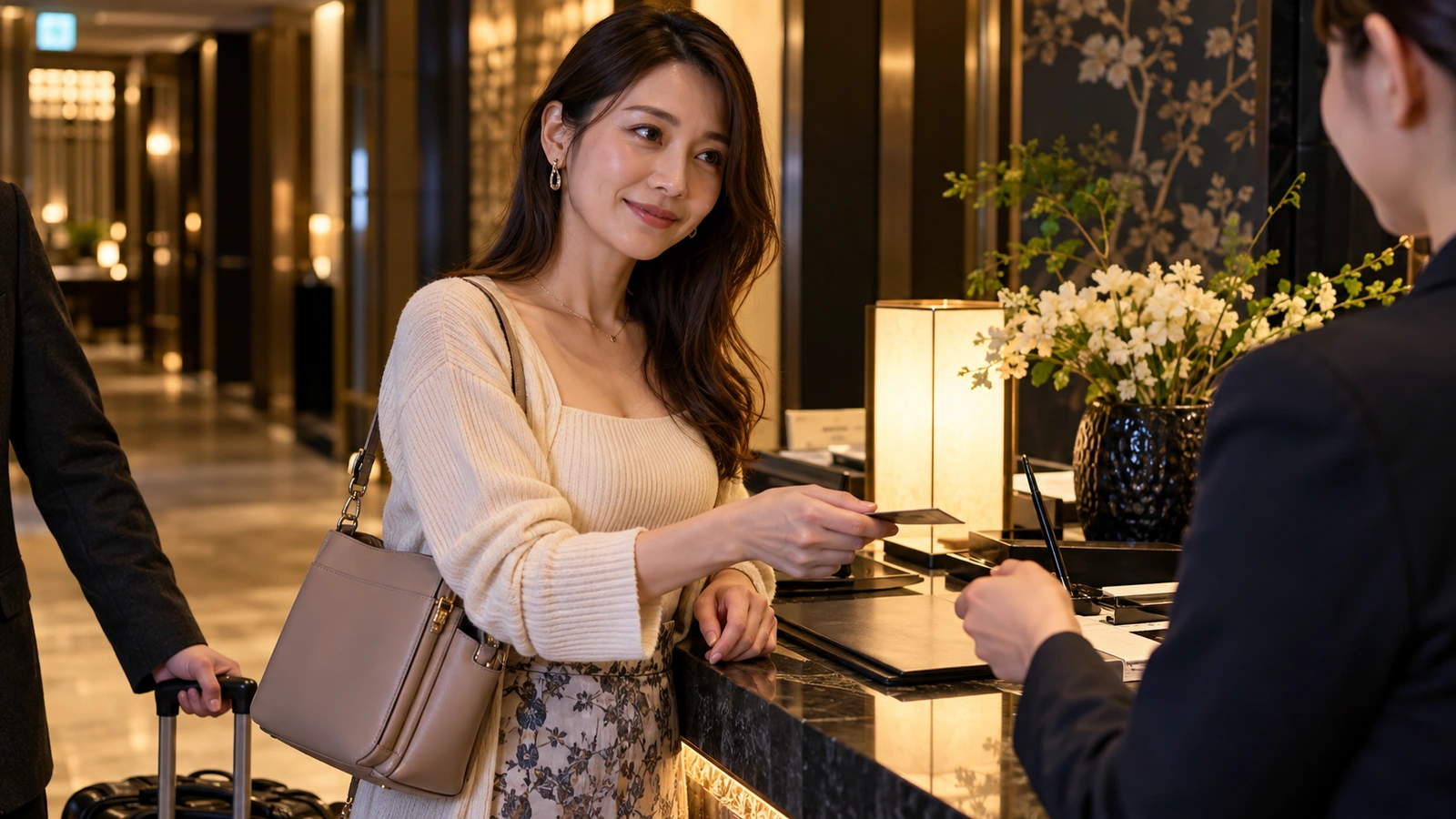
    A woman and a receptionist exchange a small card across the counter in a dark-toned Japanese-themed guestroom with floral wall art and a made bed; a small dark card is visible between their hands. The woman wears a light ivory knit top.

    You can ask us about typical procedures before travelling. We can identify what is worth checking; the instructions at the actual property always govern how its systems work.

    When you leave

    Checkout may involve a machine in the room or payment at a desk. Rules for leaving temporarily and charges for extra time also vary. Your OPUS meeting may end at a different time from your hotel’s permitted room-use period.

    So “My OPUS course is 120 minutes—should I book the room for exactly 120 minutes?” is an excellent question. We can help you understand the distinction, while the hotel confirms its own rules.

    We want the evening to feel easy

    Your memories should be about your time in Japan, not worrying at an unfamiliar machine. Please ask about anything you would like explained.

    A woman and a receptionist exchange a small card across the counter in a dark-toned Japanese-themed guestroom with floral wall art and a made bed; a dark folder lies open on the desk.


  • Can You Meet an OPUS Companion at a Regular Hotel?

    Can You Meet an OPUS Companion at a Regular Hotel?

    OPUS TOKYO EDITORIAL

    Perhaps you would feel most comfortable meeting in the city or business hotel where you are staying. Japanese hotels, however, sometimes have their own rules about visitors.

    Being a registered guest does not always mean visitors can enter

    Some properties do not allow anyone other than registered guests into guest rooms. A meeting in the lobby may be permitted while access to the room is not. This can differ from hotels in your home country.

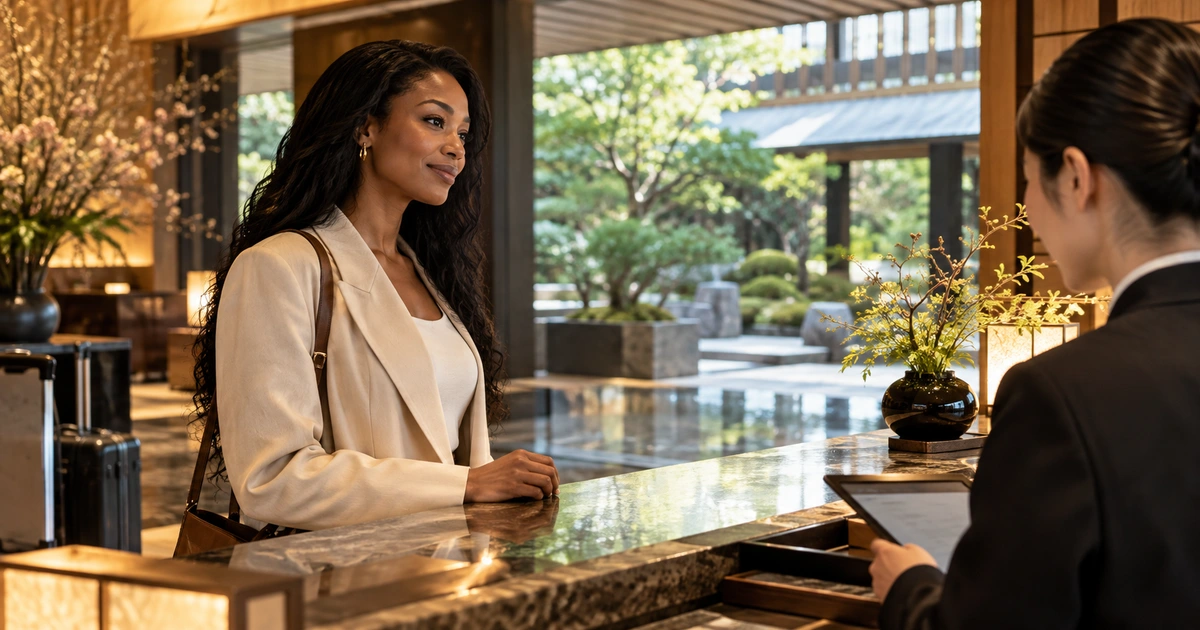
    A woman examines a folder or documents with reception staff at an elegant marble hotel reception with large floral arrangements; a closed document folder rests on the counter.

    We do not expect you to know those distinctions before contacting us. Tell us your area or the type of hotel you are considering, and we can explain which rules need checking. We cannot recommend ignoring property policies, but we can discuss possible alternatives.

    You can also ask before choosing a hotel

    If you have booked your flight but not your accommodation, you are welcome to ask what hotel conditions are relevant when considering an OPUS meeting. Actual permission depends on both the hotel and the service arrangements.

    Room charges or other facility expenses may be separate from the OPUS course fee. We will explain this without relying on unfamiliar Japanese terminology.

    We can think through suitable arrangements together

    Even local residents do not know every hotel’s rules. A visitor from overseas should never be expected to.

    A woman speaks face to face with hotel reception staff at an elegant marble hotel reception with large floral arrangements; fresh blossoms and table lighting fill the background.


  • Can OPUS Help You Navigate a Love Hotel?

    Can OPUS Help You Navigate a Love Hotel?

    OPUS TOKYO EDITORIAL

    Imagine arriving at a Japanese love hotel and not finding a familiar front desk, or seeing instructions you cannot read. If it is your first time, that uncertainty is understandable.

    Ask before making a hotel booking

    You do not need to study Japan’s love hotel procedures on your own before approaching OPUS. Even if you have no hotel in mind, tell us your destination and preferred date. We can explain the relevant practical details in stages.

    A woman reviews an illustrated brochure with another person in a dark-toned Japanese-themed guestroom with floral wall art and a made bed; a tablet or electronic folder is visible at the counter.

    Short-stay rates, overnight rates, advance payment and automated checkout vary by property. Something easy for a regular visitor may be completely new to you; you should feel comfortable asking what any unfamiliar term means.

    What we can help with—and what a hotel decides

    We welcome questions about the proposed meeting location. However, we cannot universally promise to book rooms on your behalf or guarantee a particular hotel’s availability. Each property sets its own rates, occupancy rules and check-in procedures. We will explain where you can obtain a definitive answer.

    There is no need to work it all out alone

    You are visiting a different country. Please do not feel embarrassed about having questions; helping you understand the process is part of why we are here.

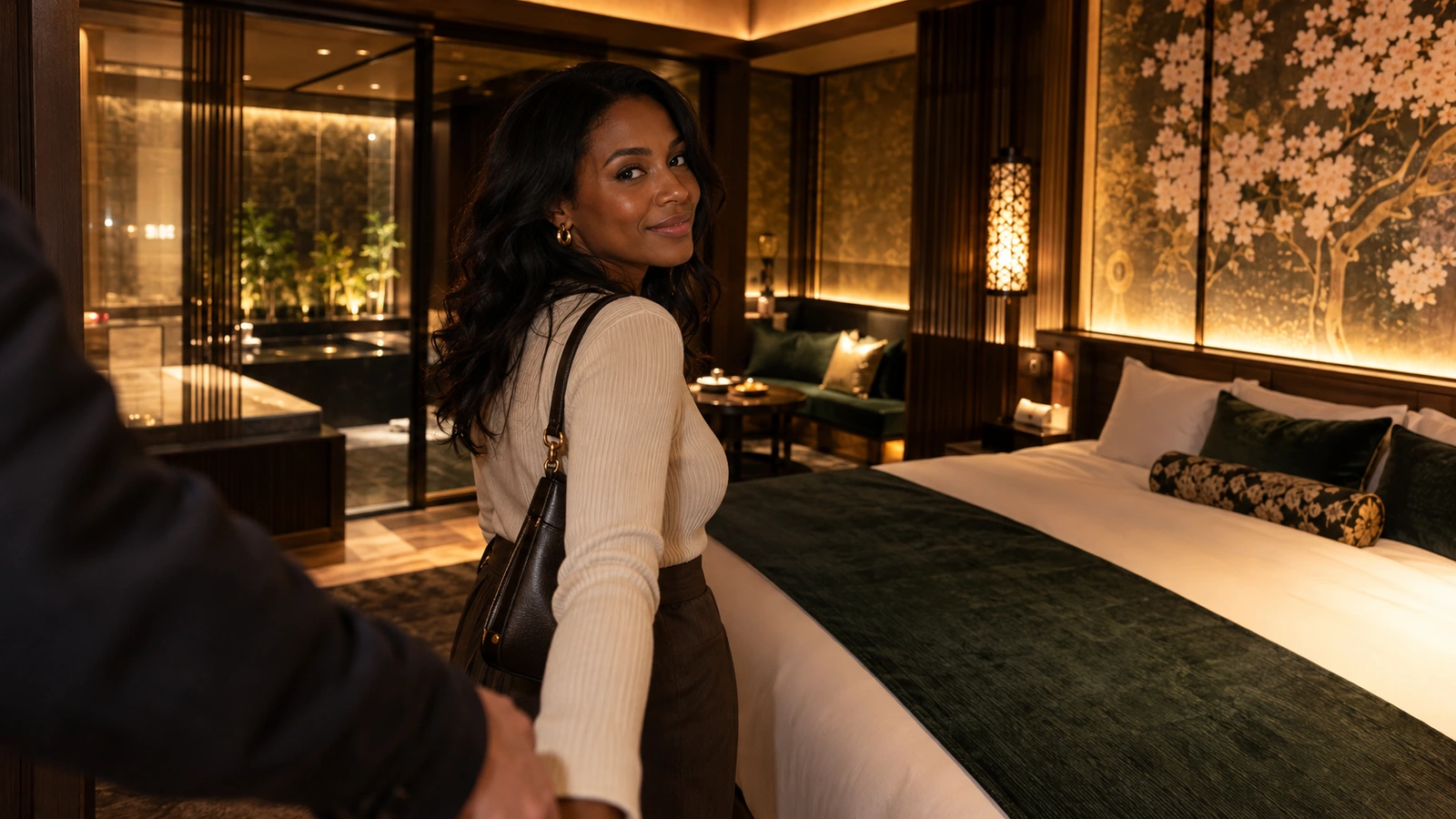
    A woman with a shoulder bag looks back while walking in a dark-toned Japanese-themed guestroom with floral wall art and a made bed; a dark handbag is visible beside her.


  • A First-Timer’s Guide to Japanese Love Hotels

    A First-Timer’s Guide to Japanese Love Hotels

    OPUS TOKYO EDITORIAL

    You may have heard of Japan’s love hotels without knowing how they work. Their unfamiliar layout and procedures can feel intimidating to an overseas visitor.

    How are they different from ordinary hotels?

    Some love hotels offer kyūkei, a shorter room stay, as well as shukuhaku, an overnight stay. Some have room-selection panels or automated payment machines. Others operate differently. There is no single set of arrangements that applies everywhere.

    A woman and a receptionist exchange a small card across the counter in a dark-toned Japanese-themed guestroom with floral wall art and a made bed; a small dark card is visible between their hands. The woman wears a soft cream-colored blouse.

    You can ask us basic questions before deciding on a hotel. What does a short stay mean? Is information available in another language? There is no need to have all the answers in advance.

    You may contact us before choosing a property

    “I’m staying around Shinjuku but don’t know where to begin” is a useful starting point. Tell us the area and time you have in mind. We can explain what OPUS can advise on, and what must be confirmed with the hotel itself, including room availability, charges and rules.

    A room may look lovely in photographs yet have a stay period that does not suit your OPUS course. We particularly want to make those timing and price differences understandable.

    Let unfamiliar culture feel interesting, not frightening

    You do not need expert knowledge of Japan’s hotels to contact us. Questions are welcome.

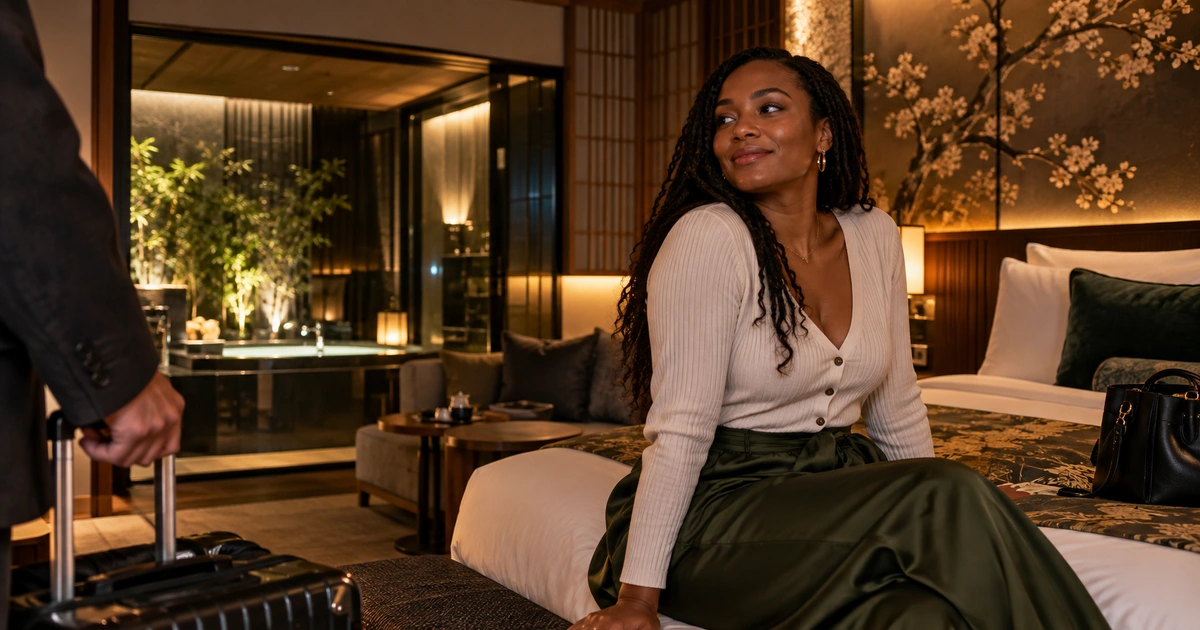
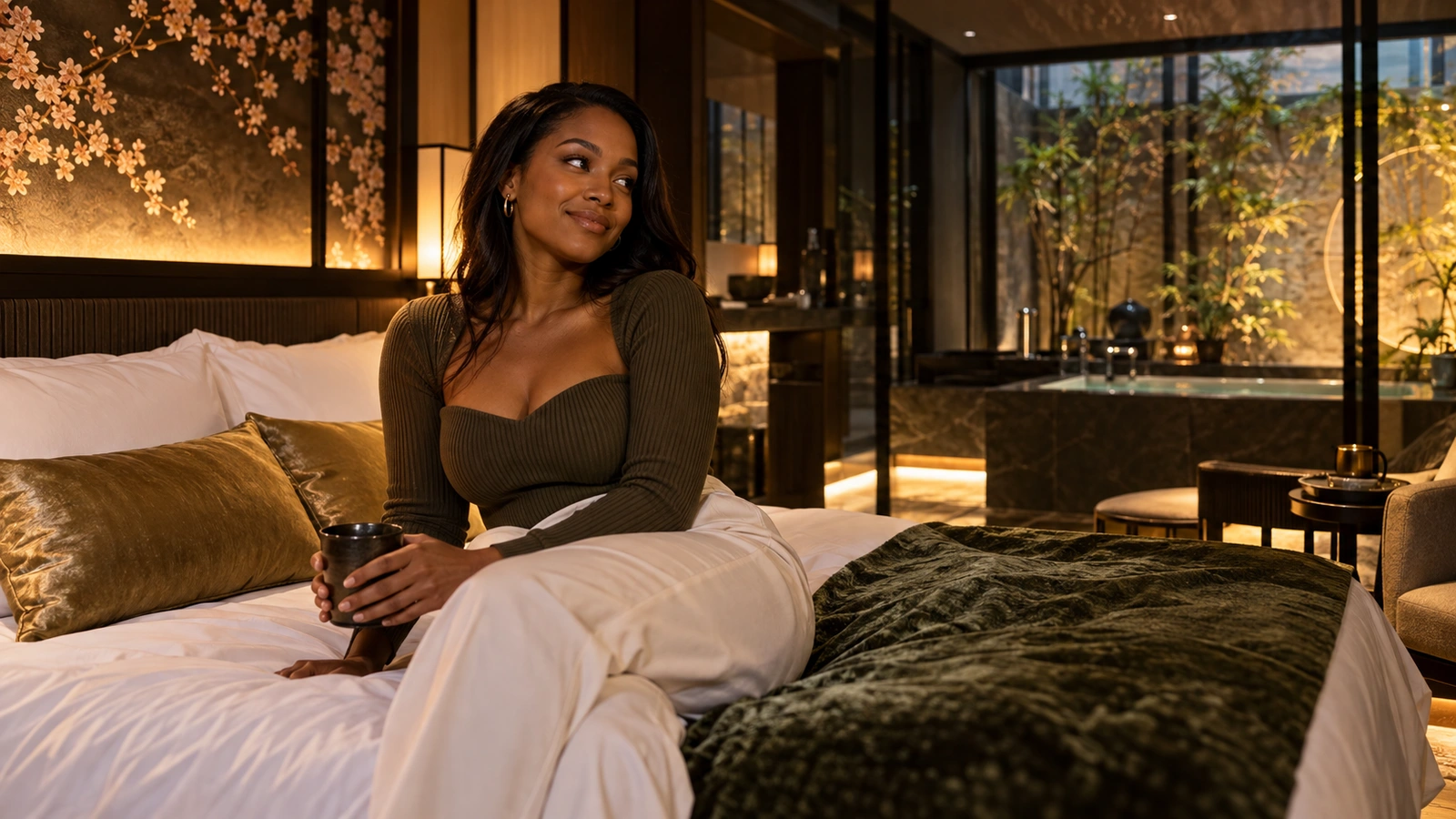
    A woman sits on the edge of a neatly made guestroom bed in a dark-toned Japanese-themed guestroom with floral wall art and a made bed; the large bed has crisp white linen and dark accent cushions. The woman wears a soft cream-colored blouse.


  • A Private Concierge Experience for Privacy-Conscious Women

    A Private Concierge Experience for Privacy-Conscious Women

    OPUS TOKYO EDITORIAL

    Work, family and other responsibilities can make life feel full of expectations. During a visit to Japan, you might want a little time that belongs only to you.

    A moment away from titles and roles

    You need no elaborate explanation for wanting a private experience. OPUS does not ask for your real name or a separate phone number in an initial inquiry. We focus on the atmosphere you want, not unnecessary details about your life.

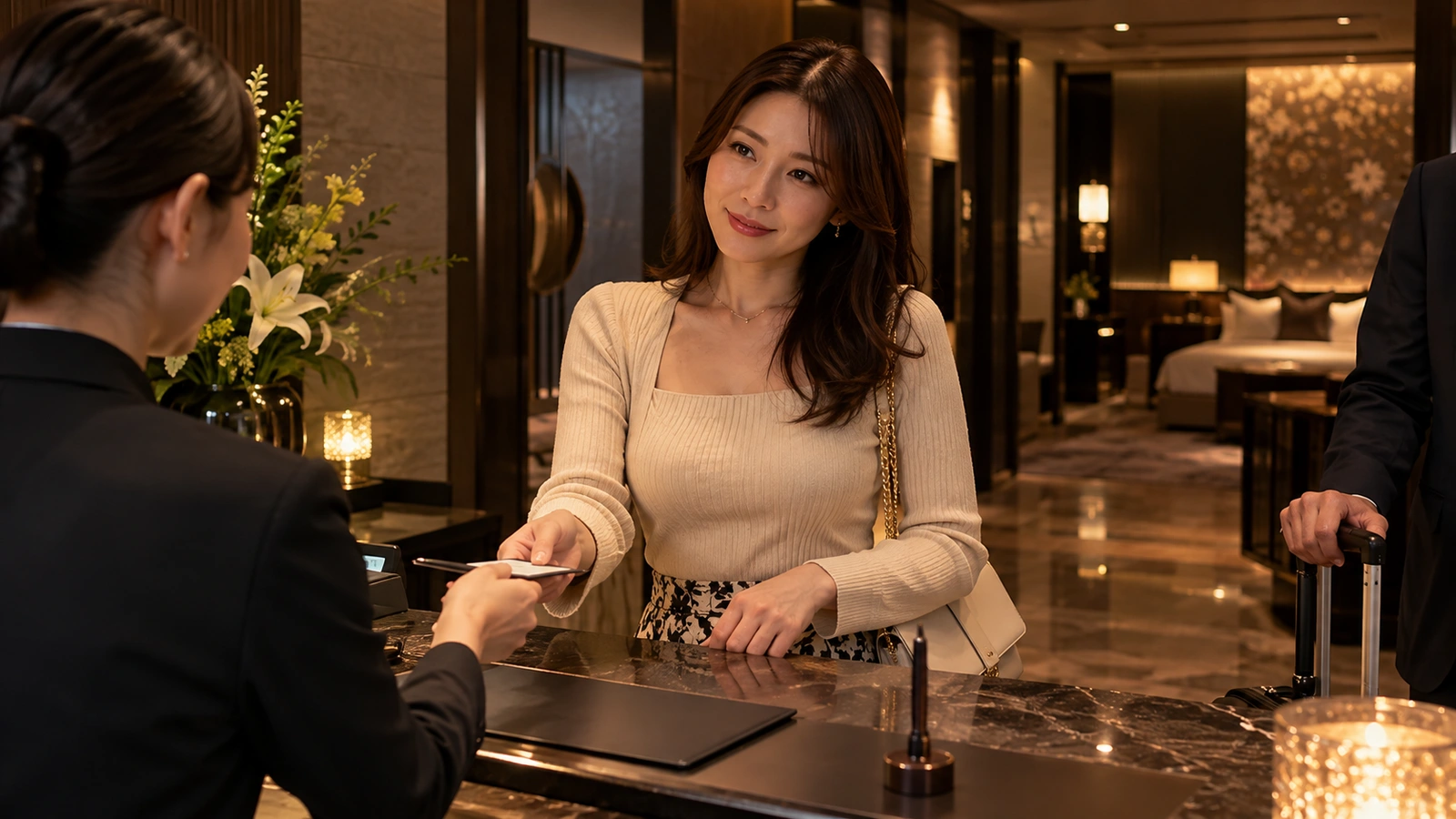
    A woman speaks face to face with hotel reception staff at a polished hotel reception desk beside a landscaped Japanese courtyard; a wheeled travel case is beside her. The woman wears a soft cream-colored blouse.

    Perhaps you prefer no photographs, communication by message or a quiet setting. Tell us, and we will explain which arrangements are possible.

    Quiet preferences matter, too

    Some guests do not know how to describe what they want. Others feel shy about meeting someone new. We want to listen rather than expect you to entertain or impress anyone.

    External communications, payment transactions and hotel systems may retain their own records. We will explain what we can establish rather than promise complete erasure.

    A space for your own time

    You may rediscover a different, more relaxed side of yourself while travelling. We hope to welcome that possibility with care.

    A woman with a shoulder bag looks back while walking beneath warm lighting near a hotel driveway and entrance; a dark handbag is visible beside her.


  • Why OPUS Requests Only Essential Personal Information

    Why OPUS Requests Only Essential Personal Information

    OPUS TOKYO EDITORIAL

    Thoughtful service does not begin by finding out everything about a guest. Sometimes it begins by not asking questions that are unnecessary.

    We begin with what you hope for

    For an initial inquiry, we focus on your dates, area, number of guests, preferred course and questions. We do not require a real name or separate phone number at that stage. You do not need to explain where you live or who shares your home.

    A woman writes on a document at the hotel counter at a polished hotel reception desk beside a landscaped Japanese courtyard; a dark folder lies open on the desk.

    Travelling internationally already involves providing documents to airlines and hotels. Contacting OPUS should not mean preparing another bundle of personal paperwork.

    When information is needed, the reason matters

    Certain hotels and payment services may have their own identity checks. These are distinct from OPUS’s initial inquiry. If a detail is needed for a particular procedure, it should be clear who needs it and why. You are welcome to ask.

    Limited collection is not the same as no records

    Actual storage and data practices should be explained through the applicable privacy policy. We do not want “we ask for little” to be mistaken for a promise that nothing will be recorded.

    A woman speaks face to face with hotel reception staff at a polished hotel reception desk beside a landscaped Japanese courtyard; a tablet or electronic folder is visible at the counter.

    Respect includes knowing when not to ask

    We value what you choose to share—and respect what you prefer to keep private.


  • Keeping Your Time Together Private in Japan

    Keeping Your Time Together Private in Japan

    OPUS TOKYO EDITORIAL

    A special evening during your trip may be something you would rather keep to yourself. We understand that your time belongs to you.

    We respect the boundaries of your personal life

    We focus on the practical information needed for the service and on your preferences. You need not explain your professional or family circumstances. If you prefer messages rather than calls, or discreet communication, tell us and we will explain the options available.

    A seated woman smiles while holding a sparkling-wine glass in a warmly lit guest suite beside a landscaped Japanese garden; a tall glass and small flowers are arranged on the table.

    We cannot promise that no record will ever exist. Messaging services, payment providers and hotels keep information according to their own systems and policies. We will distinguish what OPUS can explain from what external organizations control.

    It is reasonable to ask which records may remain

    A payment statement, a phone notification and a hotel’s guest records are different matters. Tell us what concerns you so we can answer the relevant question clearly. We will not offer an ungrounded “absolute guarantee.”

    You do not owe us an explanation

    You have a life outside this experience. Handling the time you choose to spend privately with respect is part of our idea of hospitality.

    A woman with a shoulder bag looks back while walking near a hotel entrance lined with tall amber-lit columns; a dark handbag is visible beside her. Dark green clothing contrasts with the warm wood interior.


LINEで相談する